Case study · 2023 · Healthcare · Pharmacy
Digital Front Door for a Multi-Clinic Medical Group
A nine-location medical group ran its front door on phone lines and clipboards: booking meant waiting on hold, and every visit started with the same paper forms. We designed and built the group's digital front door — real-time online scheduling against the EHR, digital intake completed at home, native iPad check-in kiosks, and reminder flows that actually change no-show behavior.
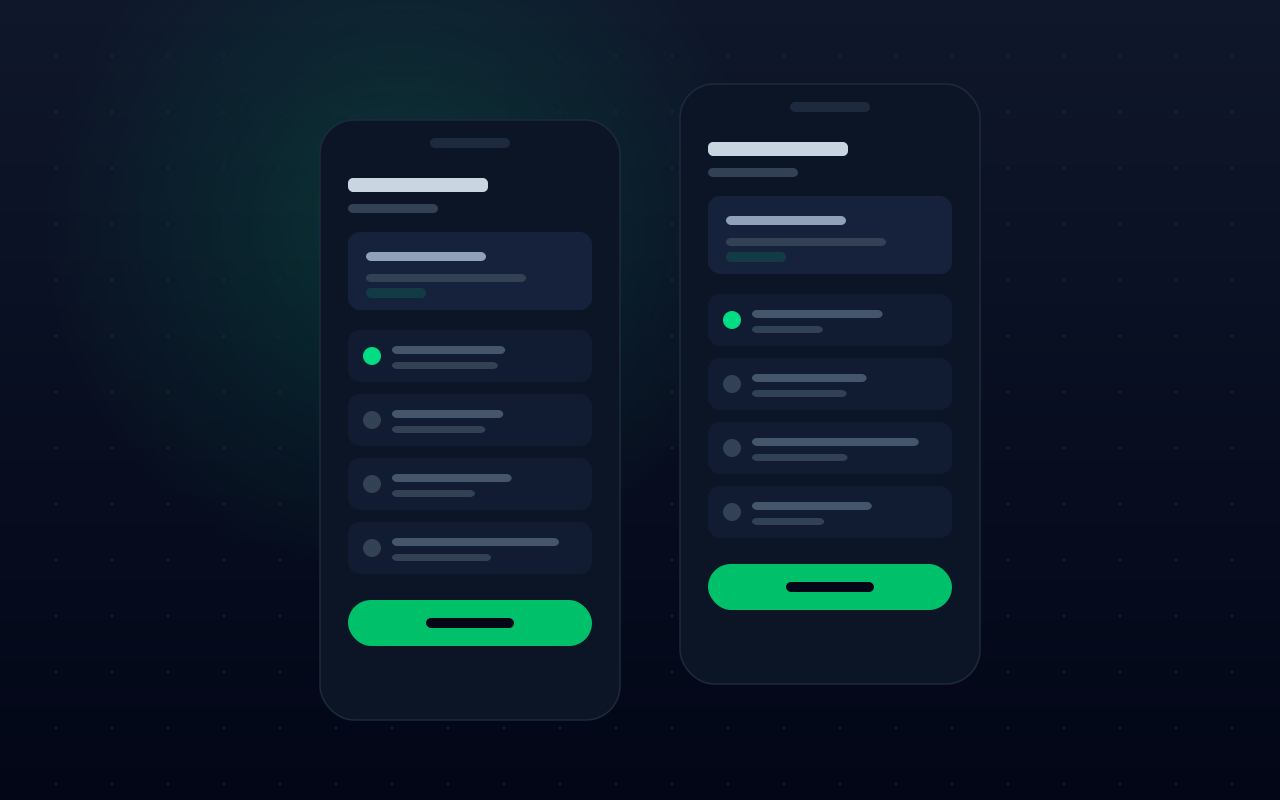
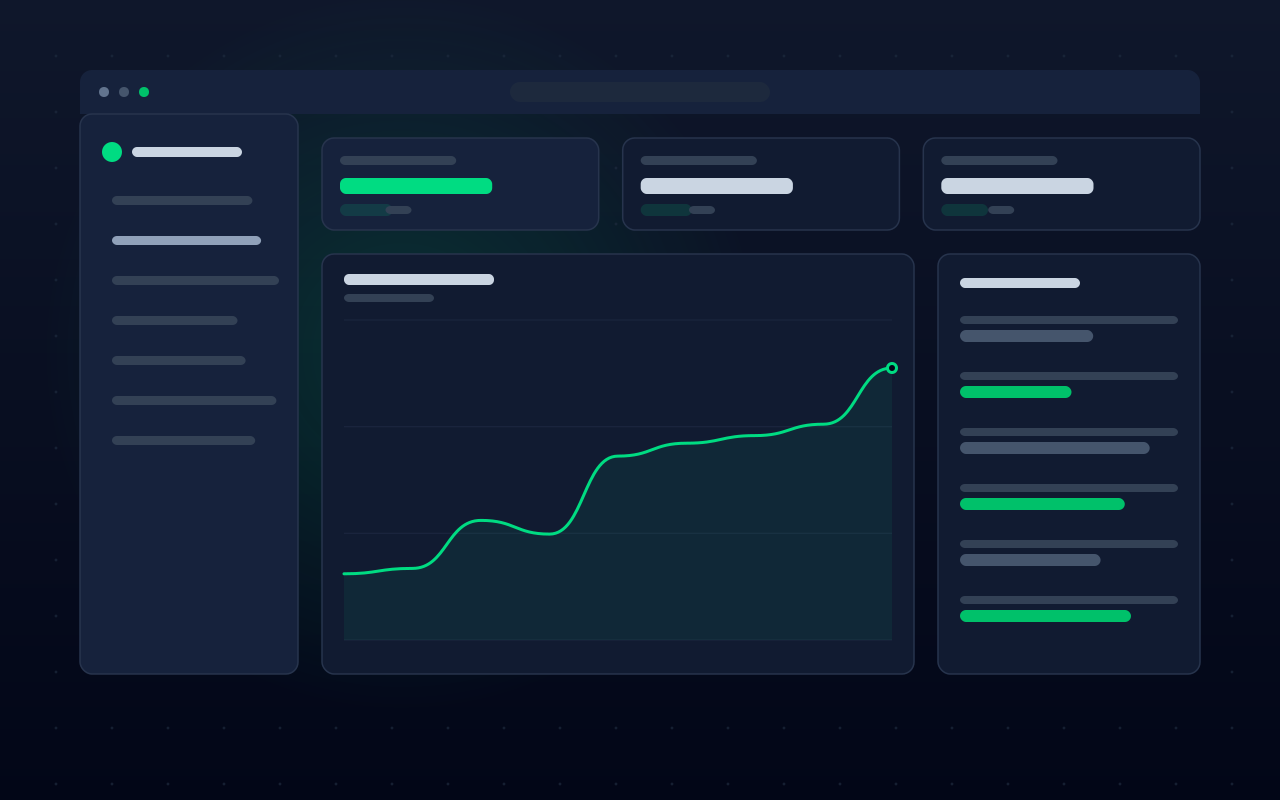
Screens are illustrative recreations — client interfaces stay confidential.
The challenge
Front-desk staff were the scheduling system. Phone-only booking pushed patients to whichever clinic answered fastest, no-show rates hovered near 12%, and paper intake meant re-keying the same demographics visit after visit.
Any solution had to work against the group's existing EHR in real time — double-booking a provider slot was a non-negotiable failure — and handle patient data under HIPAA's administrative and technical safeguard requirements from day one.
What we built
Scheduling synced to the EHR
A FHIR-based integration reads provider availability and writes bookings back in real time, with slot-hold semantics that make double-booking structurally impossible rather than merely unlikely.
Intake before arrival
Condition-aware digital intake — demographics, insurance capture, consents, medication and refill requests — completed from a booking link at home, routed to the right queue including pharmacy refill triage.
Native kiosk check-in
Swift iPad kiosks at each location match arriving patients to appointments, confirm what's already on file, and collect only what's missing — designed with the front-desk teams through three prototype rounds.
Reminders tuned by evidence
SMS reminder timing and content were A/B tested per clinic; confirm/reschedule actions in the message move the appointment instead of just nagging about it.
The results
- −29%
- No-show rate
- 2.5 min
- Median check-in time
- 71%
- Visits booked online
11.8% → 8.2% across 9 locations
down from ~9 minutes with paper forms
by month six after rollout
- No-show rate fell from 11.8% to 8.2% across the group within seven months — a 29% relative reduction.
- Median check-in time dropped from 9 minutes to 2.5, and re-keyed intake data at the desk effectively disappeared.
- 71% of appointments were self-booked online by month six, freeing phone lines for the patients who need them.
Client identities stay confidential; figures are rounded from end-of-engagement delivery reporting.
Stack & expertise
- React
- TypeScript
- Node.js
- PostgreSQL
- Swift (iPad kiosks)
- FHIR integration
Leasing Operations MVP for a PropTech Startup
Fourteen weeks from concept to a paying pilot — applicant screening, renewals, and an owner portal running across 6 buildings and 940 units.
Route Intelligence for a Regional Courier Network
Dispatch platform with learned travel times and constraint-aware route building that cut fleet distance per stop by 16% without adding vehicles.
Learning Platform for a Vocational Training Academy
A custom LMS with course authoring, cohort analytics, and bandwidth-tolerant video that lifted course completion 22 points.