Case study · 2024 · Lending · Fintech
QA Engineering Program for a Digital Lending Platform
A digital lender was paying for quality twice: a three-day manual regression before every release, and the defects that slipped through anyway. We built their QA engineering program from the ground up — a risk-based strategy, an automation suite wired into CI, structured exploratory testing for the judgment work, and load tests that rehearse month-end origination peaks.
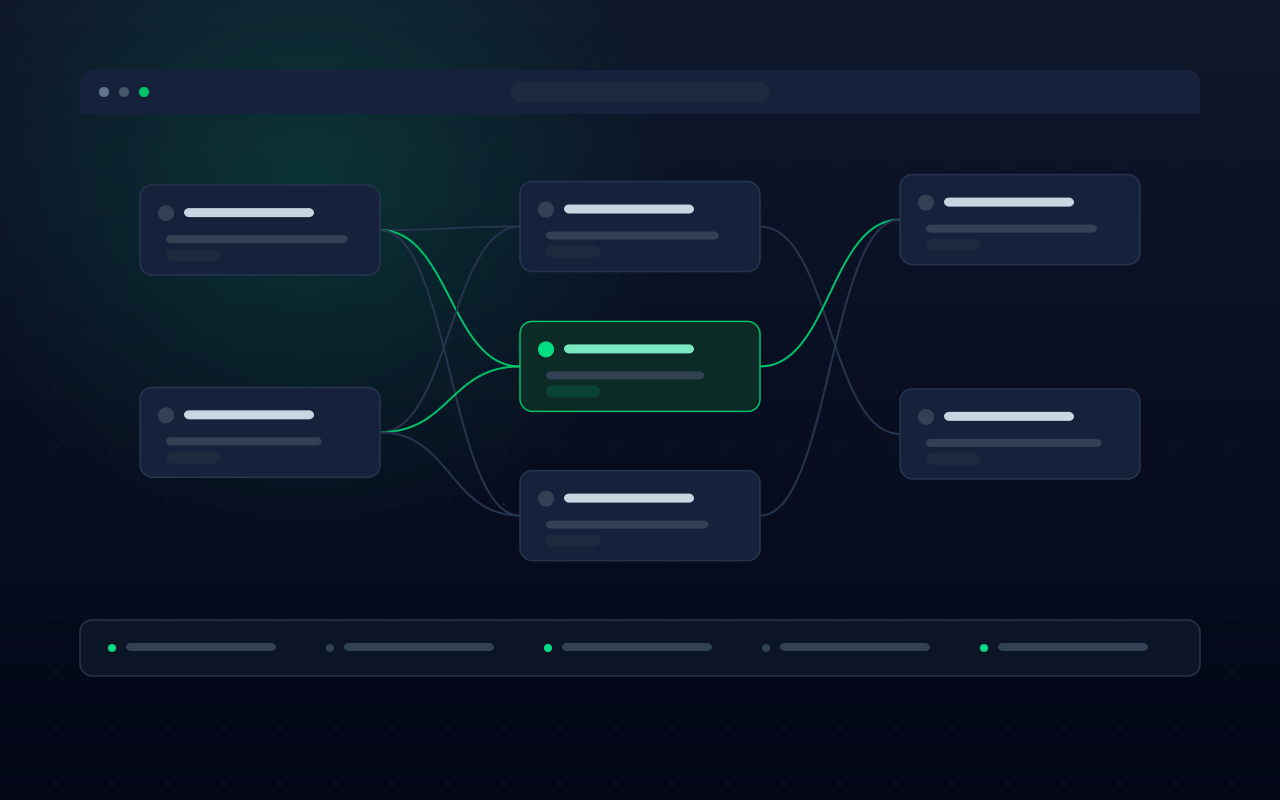
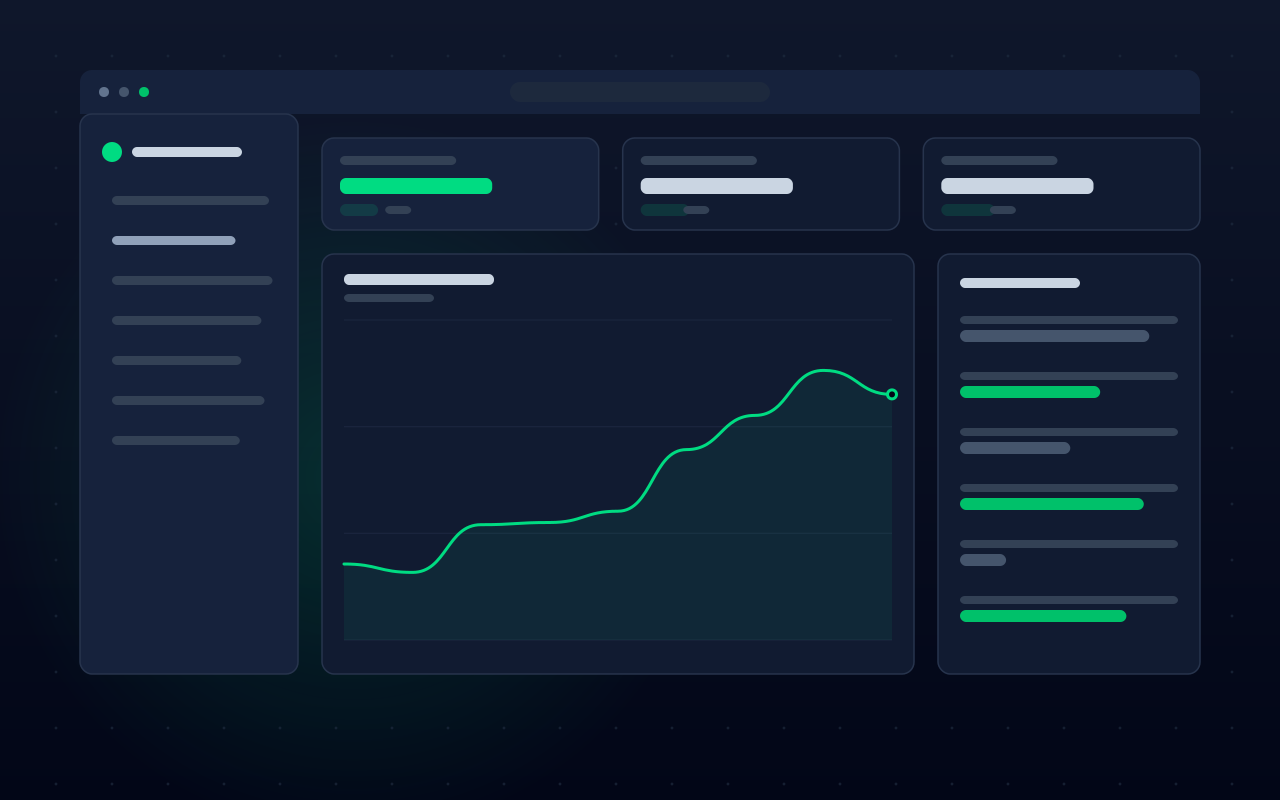
Screens are illustrative recreations — client interfaces stay confidential.
The challenge
Releases shipped fortnightly at best, gated by a manual regression pass that took three days and still missed things — the worst escapes landed in loan decisioning and payment flows, exactly where trust costs the most.
Previous automation attempts had rotted: brittle UI scripts nobody trusted, quarantined until they were deleted. The program had to earn a reputation for signal, not noise.
What we built
Risk-based coverage map
We mapped the platform's flows by blast radius — decisioning, disbursement, and repayment first — and let that map, not tool enthusiasm, decide what got automated, what stayed exploratory, and what wasn't worth testing.
Automation built to be trusted
API-level checks carry most of the load with Selenium reserved for true end-to-end journeys; a flake budget is enforced weekly, and any check that cries wolf gets fixed or deleted.
Exploratory testing with charters
Time-boxed charters target the areas automation can't judge — edge-case applicants, document quirks, adverse-action flows — with findings feeding both the backlog and the coverage map.
Performance rehearsals
k6 load suites model month-end origination peaks and run on a schedule, so capacity conversations happen from graphs, not incidents.
The results
- 42 min
- Full regression in CI
- −77%
- Escaped defects per release
- 1,900+
- Automated checks in CI
down from a 3-day manual pass
13 → 3 over eight releases
API and UI, flake budget enforced
- Regression went from a three-day manual gate to a 42-minute pipeline run on every merge.
- Escaped defects per release dropped 77% over eight releases, with decisioning and payment escapes at zero for the final four.
- Release cadence moved from fortnightly to weekly — the pipeline, not the calendar, decides when the platform ships.
Client identities stay confidential; figures are rounded from end-of-engagement delivery reporting.
Stack & expertise
- Selenium
- TypeScript
- k6
- GitHub Actions
- Allure reporting
Technologies
Cross-Border Payout Rails for a Global Marketplace
Stablecoin settlement with smart-contract escrow and automated reconciliation — payouts that took 3–5 days now clear in under 30 minutes at 70% lower cost.
Security Hardening for a Payments Platform
An authorized penetration test and remediation cycle — 32 findings fixed and retested, 4 of them critical, with the API attack surface cut by 60%.
B2B Commerce Replatform for a Building-Materials Distributor
A headless storefront wired live into the ERP — contract pricing, branch stock, quote-to-order — that took online order share from 8% to 27% in nine months.